You don’t need a huge marketing budget or a publicist on speed dial to get people talking about your book. You need a good story, a clear message, and a willingness to make connections.
In a utopian author-world I’d gift every author a publicist, master editor, publication team, and a household assistant to keep up with the laundry when you’re in a writing time-warp. Unfortunately, my magic wand doesn’t work quite that well.
So, I’ve developed strategies to help my clients build buzz around their book long before it’s published. The results? In the last four years I’ve had clients achieve the following:
-
Bookings for national and international stages.
-
Media interviews, both print and visual.
-
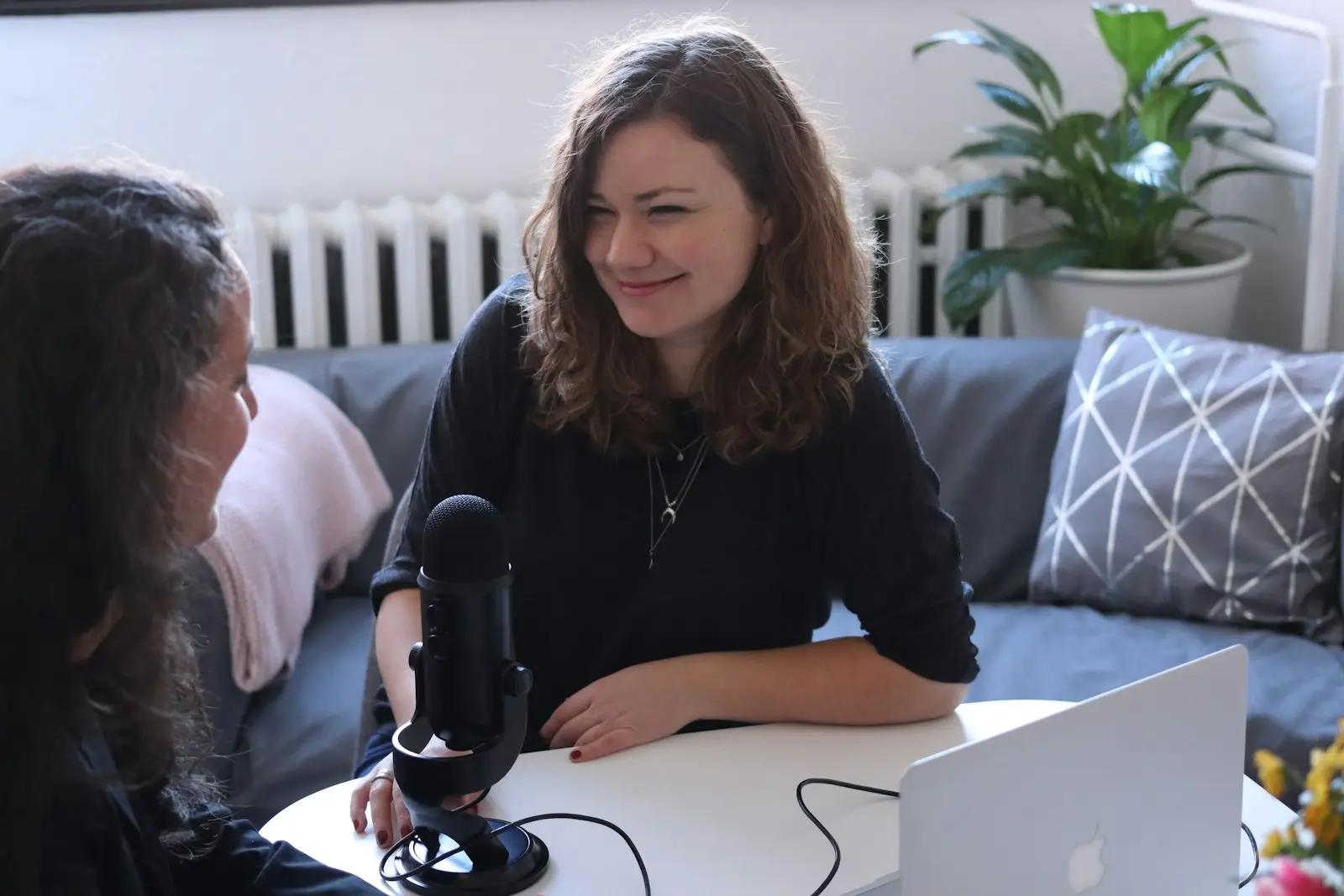
Regular podcast guest spots.
-
Feature articles in large publications.
-
Having their blog syndicated to large publications (yep, the whole blog, every article).
I Get it, PR is Daunting
For some authors, public relations (PR) feels like a mysterious world reserved for celebrities, bestselling authors, and people with expensive publicity teams. But the truth is, there are plenty of things nonfiction authors can do themselves to generate visibility, build credibility, and connect with potential readers before their books ever hit the shelves.
And you don’t have to become a marketing expert to do them.
The secret to successful DIY PR is understanding one important distinction: You’re not just promoting a book. You’re sharing ideas, expertise, and stories that matter to a specific audience.
Here are several practical ways to start getting your name, message, and book into the world.
1. Start With Your Message, Not Your Book
One of the biggest mistakes nonfiction authors make when approaching the media is leading with their book.
Of course you’re excited about your upcoming release. But journalists, podcast hosts, and newsletter editors aren’t necessarily looking for another author promoting another book.
They’re looking for stories, solutions, fresh perspectives, and valuable information for their audiences.
Before you begin pitching, ask yourself:
-
What problem does my book help readers solve?
-
What conversations does my book contribute to?
-
What are three to five topics I can speak about confidently?
-
What surprising or unconventional perspectives can I offer?
-
Why would someone who has never heard of me care about this topic?
For example, an author writing about burnout might pitch a podcast interview about recognizing the hidden signs of workplace exhaustion rather than simply announcing a new book about burnout.
An author writing about entrepreneurship might offer five mistakes new business owners make or explain why traditional business advice doesn’t work for everyone.
The book becomes evidence of your expertise, not the entire reason someone should interview you.
DIY PR tip: Create a media page that includes a headshot, your bio, credentials and publications, and a list of five compelling topics inspired by your book. Give each topic a headline that could work as a podcast episode, article, or television segment. These will become the foundation of your outreach.
2. Get Yourself Booked on Podcasts With PodMatch
Podcast interviews are an excellent publicity opportunity for nonfiction authors because they allow you to connect with audiences who are already interested in your subject.
And unlike a brief social media post, a podcast interview gives you time to share your expertise, personality, and story.
One resource worth exploring is PodMatch a platform designed to connect podcast hosts with potential guests.
You create a guest profile highlighting your expertise, speaking topics, biography, and relevant links. The platform helps identify podcasts that may be a good fit.
But don’t make the mistake of assuming every podcast is worth your time.
A smaller podcast with an engaged audience of your ideal readers can be far more valuable than a larger show whose listeners have little interest in your subject. When researching podcasts, look for alignment. Consider the show’s audience, recent episodes, interview style, and the types of conversations the host enjoys. Then personalize your pitch.
Example podcast pitch:
Subject: Guest Idea: Why High Achievers Struggle to Recognize Burnout
Hi [Host Name],
I enjoyed your recent episode about finding balance while building a successful career, particularly the conversation about how difficult it can be to set boundaries.
I’m a [credential or relevant experience] and the author of [Book Title], which explores [brief description].
I’d love to contribute a conversation about three surprising signs of burnout that ambitious professionals often overlook, along with practical strategies your listeners can use immediately.
I think this would resonate with your audience because [specific reason].
Would you be interested in exploring this topic for an upcoming episode?
Best,
[Name]
Notice what’s missing? A lengthy book description, a demand for publicity, and a generic message that could have been sent to 100 different hosts.
Instead, the pitch focuses on what the audience will gain.
DIY PR tip: Start researching and pitching podcasts three to six months before your book launch. Interviews are often recorded weeks or months before they’re released. Ask about expected publication dates so you can coordinate appearances with your launch.
3. Build an Audience You Can Reach Directly With Substack or Email Marketing
Social media can be useful for building visibility, but there’s a catch: You don’t control who sees your posts.
Algorithms change. Engagement fluctuates. A post you spent hours creating may reach only a fraction of your followers.
An email list gives you a more direct relationship with people who want to hear from you.
Platforms such as Substack, Mailchimp, MailerLite, and Kit allow authors to share ideas, updates, and resources with subscribers.
Substack can be particularly appealing for nonfiction authors who enjoy writing thoughtful articles and want to build an ongoing publication around their area of expertise. Traditional email marketing platforms may be a better fit for authors who want more control over segmented campaigns, promotional sequences, and integrations with their websites.
Whichever platform you choose, remember that people rarely sign up for a newsletter simply because someone is writing a book.
They subscribe because they expect to receive something valuable.
Consider offering:
-
Short articles expanding on ideas from your manuscript.
-
Personal stories that didn’t make it into the book.
-
Actionable advice readers can apply immediately.
-
Behind-the-scenes insights into the writing and publishing process.
-
A downloadable checklist, worksheet, or resource related to your topic.
For example, if you’re writing a book about financial confidence, your newsletter might offer weekly tips to help readers develop healthier money habits. If you’re writing a memoir about overcoming adversity, you might share reflections about resilience, identity, or rebuilding your life.
The goal isn’t to bombard subscribers with reminders to preorder your book. It’s to create a relationship long before you ask for a sale.
DIY PR tip: Create a simple four-email welcome sequence that introduces you, explains your mission, provides something valuable, and invites subscribers to participate in the conversation. As launch day approaches, share your book’s progress and give readers opportunities to become early supporters.
4. Find Journalists Who Are Already Looking for Experts
Imagine receiving a message from a journalist who needs someone with your expertise for an article.
That’s essentially the opportunity offered by Help a Reporter Out (HARO).
HARO connects journalists seeking sources with experts who can provide relevant insights. After a period of changes, the service returned under Featured’s ownership in 2025. Instead of trying to convince a journalist to write about your book, you can respond to requests for information they’re already seeking.
For nonfiction authors, this is particularly valuable.
A business author might respond to a request about leadership trends. A health and wellness author might provide insights into building sustainable habits, within the boundaries of their qualifications. A parenting author might contribute practical strategies for navigating family communication.
Here’s how to approach these opportunities effectively:
Respond quickly. Journalists often work under tight deadlines. A thoughtful response submitted promptly has a better chance of being considered.
Answer the actual question. Don’t use the opportunity to deliver a sales pitch. Provide a concise, useful response that directly addresses what the journalist needs.
Establish your credibility. Include a short biography explaining why you’re qualified to comment.
Make the journalist’s job easier. Offer a specific example, relevant statistic with a source, or a quotable insight they can potentially use in the article.
Follow the instructions. If the request specifies a deadline, word count, credentials, or response format, respect those requirements. And beware, they scan for AI content and most won’t take an AI response, no matter how perfect it is.
Example response to a journalist:
Subject: Expert Response: Why Professionals Struggle With Burnout
Hi [Journalist Name],
I’m responding to your request for expert insights on workplace burnout.
One reason professionals struggle to recognize burnout is that many have learned to associate constant productivity with personal worth. As a result, exhaustion becomes something to push through rather than a signal that something needs to change.
One practical starting point is to identify which daily responsibilities are essential and which are being maintained out of habit or external expectations.
I’m [Name], a [credential or relevant background] and author of the forthcoming book [Title], which explores [topic].
I’m happy to provide additional insights if helpful.
Best,
[Name]
[Website]
[Contact Information]
The point isn’t to turn every media opportunity into a book advertisement. It’s to become a helpful, reliable source whom journalists may remember when they need expertise again.
DIY PR tip: Set aside 15 minutes each weekday to review relevant journalist requests. Respond only when you have genuine expertise to contribute. Three thoughtful responses are worth more than 30 generic pitches.
5. Pitch Articles to Publications Your Readers Already Trust
One of the most overlooked publicity strategies for nonfiction authors is writing articles for other publications.
You already have a manuscript filled with ideas, research, stories, and expertise. Why not use some of that material to reach new audiences? Look for online magazines, association newsletters, professional publications, community websites, and industry blogs that serve your ideal readers.
-
An author writing about career transitions might pitch an article to a professional association’s newsletter.
-
An author writing about caregiving might contribute an article to a publication serving families and caregivers.
-
An author writing about leadership might submit practical advice to a business publication.
Before pitching, study the publication. Read several recent articles. Review its submission guidelines. Identify topics that would genuinely benefit its audience.
Then propose a specific article rather than sending a general request for coverage.
Example article pitch:
Subject: Article Proposal: Five Ways to Rebuild Confidence After a Career Change
Hi [Editor’s Name],
I’m reaching out with an article idea I believe would resonate with your readers.
The proposed article, “Five Ways to Rebuild Confidence After a Career Change,” would explore practical strategies for professionals navigating unexpected transitions.
The piece would offer actionable guidance, including [two or three specific takeaways].
I’m a [professional background] and author of the forthcoming book [Title], which explores [relevant topic].
I’d be happy to provide an outline or draft for your consideration.
Thank you for your time,
[Name]
A published article can introduce your expertise to a new audience, strengthen your credibility, and give you content to share through your website, newsletter, and social media.
Be sure to check whether the publication permits an author biography, website link, or book mention. And avoid submitting material that has already appeared elsewhere unless the publication allows previously published work.
DIY PR tip: Identify ten publications your ideal readers already follow. Research their editorial guidelines and pitch two or three highly relevant article ideas each month.
6. Don’t Overlook Local Media and Community Connections
Not every publicity opportunity needs to be national.
Local newspapers, television programs, radio stations, libraries, bookstores, professional organizations, and community groups can be excellent starting points. Local media outlets often appreciate stories with a strong community connection.
Are you a local entrepreneur publishing a book about business ownership? A teacher writing about education? A parent sharing lessons learned from a personal experience?
Those connections may provide a compelling starting point for local coverage. You might also consider offering a free workshop, participating in a library discussion, or speaking at a community event.
These opportunities help you practice talking about your book while building meaningful relationships with potential readers. And don’t underestimate word of mouth. A room of 20 people who connect deeply with your message can be more valuable than hundreds of passive social media impressions.
DIY PR tip: Make a list of five local organizations or media outlets whose audiences overlap with your target readership. Approach each with an idea that provides value to its community.
7. Create a Simple Media Kit Before You Start Pitching
You don’t need a complicated press package to look professional.
But you do want to make it easy for journalists, podcast hosts, and event organizers to learn about you.
Create a simple media kit that includes:
-
A short and long author biography.
-
A professional, high-resolution headshot.
-
Your book cover and a concise book description.
-
Three to five potential interview topics.
-
Sample interview questions.
-
Relevant professional credentials and contact information.
-
Links to your website, newsletter, and previous media appearances.
You can create a media kit using a basic document, a downloadable PDF, or a dedicated page on your author website.
Keep it updated as your publicity efforts grow.
DIY PR tip: Add a “Media” or “Press” page to your website where interested hosts and journalists can find your information without having to request it.
8. Follow Up Without Becoming a Nuisance
Sometimes the difference between getting an interview and never hearing back is a thoughtful follow-up. Editors and podcast hosts receive plenty of messages. Yours may simply have gotten buried. If you haven’t received a response after approximately one week, and the opportunity isn’t time-sensitive, consider sending a brief follow-up.
For example:
Hi [Name],
I wanted to follow up on the interview idea I shared last week about [topic]. I think it could offer some valuable insights for your audience, particularly around [specific benefit].
I know your schedule is busy, so I appreciate your consideration.
Best, [Name]
One polite follow-up is usually enough. Some opportunities won’t work out, and that’s okay. PR is a relationship-building process, not a numbers game where every message must produce a result. When someone does feature you, thank them. Share the interview or article with your audience. Tag the publication when appropriate. Keep the relationship going. The best publicity relationships often extend well beyond a single book launch.
I’m also available to consult with you and help you get a custom PR plan together. I’ll even help you set up AI automations to make the process easier.
Ready for help with your book? Here’s how I work with authors.
-
Book Strategy & Development: Clarify your message, identify your ideal readers, organize your ideas, and create a roadmap for your book.
-
Ghostwriting & Collaborative Writing: Bring your book to life with professional writing support that captures your authentic voice and vision.
-
Book Coaching: Get personalized guidance, accountability, and expert feedback as you write your manuscript.
-
Editing & Manuscript Assessments: Strengthen your manuscript with developmental editing, line editing, copyediting, proofreading, or a comprehensive editorial assessment.
-
Book Proposals & Publishing Guidance: Develop a compelling book proposal, explore publishing options, and prepare for the next steps in your publishing journey.
-
Author Marketing & Content Strategy: Build your visibility with articles, blogs, newsletters, website content, and strategic messaging that connects your book to your broader goals.
-
Beyond the Book: Turn your expertise into workbooks, courses, speaking topics, and other content that extends your book’s reach and impact.
Not sure what kind of support you need?
Let’s talk about your book, your goals, and how we can help you get your message into the world.
Schedule a complimentary 30-minute consultation to explore the possibilities.
Visit ConnectedGhostwriting.com or email maria@connectedghostwriting.com.