

I recently flew to Atlanta for the Future-Proof Author conference, where I talked about the writing techniques bestselling authors use to ensure their books get and keep attention. In researching for this talk, I spent hours surrounded by books that have sold millions of copies and spent hundreds of weeks on a bestseller list. I reread my favorite parts, flipped through the pages I’d dog-eared, and read articles evaluating the authors’ success. The common thread among these books is their use of storytelling to connect with readers and sustain attention.
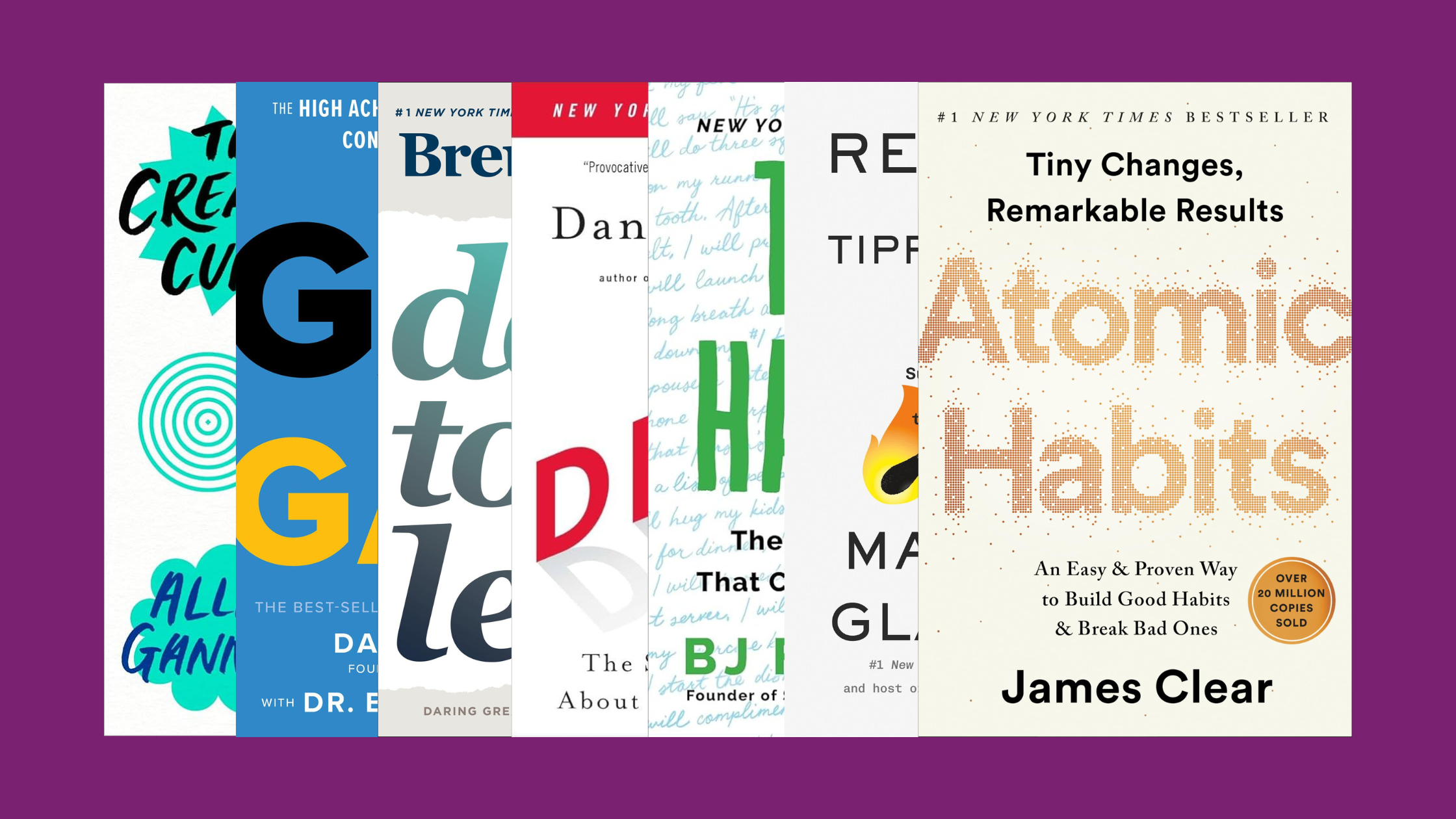
Nonfiction writers often assume storytelling belongs solely to the realm of novelists and screenwriters. But if you’ve ever found yourself captivated by a memoir, a compelling blog, or a powerful podcast, you know that’s not true. In fact, the most engaging nonfiction books and articles rely on the same storytelling techniques used in award-winning fiction.
How Do I Publish a Book? Exploring Self, Hybrid, and Traditional PublishingWhether you’re a blogger, a published author, or working on your first nonfiction book, mastering storytelling will transform your writing. Let’s dive into the storytelling secrets that nonfiction writers can use to elevate their work.
Why Storytelling Matters in Nonfiction
Stories have always been at the heart of human communication. Our brains are wired to respond to narrative. It helps us remember facts, relate emotionally, and find meaning in complex information. Even when writing about real-world subjects, compelling stories keep readers engaged.
Think about bestselling nonfiction titles like Educated by Tara Westover or Sapiens by Yuval Noah Harari. These books share valuable information, yet they read like a novel because they follow strong narrative arcs and include vivid, character-driven moments. As a nonfiction writer, storytelling gives you the power to take life experiences, research, and insights and package them in a way that connects on a human level.
Story Structure for Nonfiction
Every great story follows a structure. Whether you’re writing a short story, a podcast script, or a nonfiction book, structure shapes your narrative.
As a teacher, I used to teach a Three-Act Structure to fifth graders, and it’s the same structure I teach coaching clients today.
- Act I: The Beginning – Set the scene. Introduce your main character (even if it’s you), and establish the central idea or problem.
- Act II: The Middle – Explore the conflict or challenges. Provide deeper insights, tension, and emotional stakes.
- Act III: The End – Resolve the conflict, reflect on the meaning, and leave readers with a takeaway.
This structure works wonders for personal essays, nonfiction chapters, and even social media storytelling. It gives readers a sense of progression and momentum, keeping them hooked from start to finish.
From Good Stories to Great Narratives
Focusing on a three-act structure will get you most of the way there but what transforms a good story into a great narrative is depth, intention, and emotional resonance. In nonfiction, this often means weaving facts with feeling, and clarity with curiosity. Here are several techniques to enrich your narratives:
1. Layer Your Themes
Go beyond the surface topic. What’s the bigger idea behind the story you’re telling? Maybe it’s resilience, identity, transformation, or justice. Use subtext to give your story multiple layers of meaning. A chapter about launching a business might also be a story about fear, risk, or personal reinvention.
2. Use Scene and Sensory Detail
Narratives come alive through specificity. Instead of summarizing events, zoom in on moments. Describe the room. Share the dialogue. What were the sights, smells, sounds? These details immerse readers and help them experience the story, not just read about it.
3. Vary Your Pacing
Like a good film, great writing knows when to slow down and when to speed up. Slow the pace for emotional or reflective moments. Speed it up during action or decision-making. This dynamic rhythm keeps readers engaged and emotionally invested. To illustrate, here’s an example written about the same topic at two different paces.
Slow and reflective
“I sat in the small, windowless conference room staring at the manila folder in front of me. My manager’s voice was muffled by the thud of my own heartbeat in my ears. The HR rep beside him kept glancing at her tablet, avoiding eye contact.
I noticed how cold the room felt, like someone had turned the AC up just for this meeting. I tried to focus on what they were saying—something about restructuring, about how this wasn’t personal—but my mind kept drifting to the photo of my kids on my desk.
When he finally said, “Today is your last day,” I didn’t cry. I didn’t speak. I just nodded, as if this were happening to someone else.”
Quick and punchy
“They called me into a room, told me the company was downsizing, and that my role was cut, effective immediately. Thirty minutes later, I was out of the building, a box of my things in my arms and my future completely up in the air.”
Both examples work. The one you choose depends on the point of the story in the context of your book.
4. Add Unexpected Twists
Even in nonfiction, surprises are powerful. They could be turning points, new insights, or the moment your perspective changed. These narrative “reversals” keep your story from becoming predictable and hold attention through curiosity.
5. Show, Don’t Tell
Rather than telling readers what to think or feel, let your scenes and character actions reveal meaning. Instead of saying, “I was devastated,” show what devastation looked like—your silence, the forgotten meals, the sleepless nights.
6. Close Narrative Loops
If you introduce a question or tension early on, make sure to return to it later. This builds satisfaction and cohesion. Whether it’s a recurring motif, a quote, or a moment you hinted at earlier, bringing it full circle leaves a lasting impression.
Character-Driven Content Works
Characters make stories relatable. In nonfiction, your characters are often real people – yourself, interview subjects, historical figures, or case studies. But they still need depth.
Ask yourself: what motivates them? What are their flaws? How do they grow?
If you’re writing a memoir or personal essay, think about how to present your own journey with honesty and vulnerability. If you’re writing about someone else, dig into their background, choices, and emotions. Even in science writing or business books, strong characters bring the content to life.
Using first-person narrative can enhance connection, especially when you’re the main character. It adds authenticity and lets readers step inside your world.
Practical Tools and Tips
Here are some practical ways to strengthen your storytelling craft:
- Outline before writing to clarify your structure.
- Use character arcs even in nonfiction.
- Map emotional beats to keep your story engaging. Too much sadness, too much joy, or too much humor detracts from meaning. It’s best to find a balance.
- Practice foreshadowing by hinting at upcoming revelations.
- Write short stories or vignettes as exercises.
- Study master storytellers like Malcolm Gladwell, Joan Didion, or Brene Brown.
Want Help Adding Story to Your Book?
Whether you’re writing a memoir, a business book, or a thought leadership piece, weaving in story is what makes your message stick. If you’re not sure how to shape your experiences, research, or expertise into compelling narratives, I’m here to help.
Book a 1:1 Consultation – Let’s talk through your ideas, challenges, and goals. You’ll walk away with actionable guidance on how to use storytelling to elevate your nonfiction project.
Get My Free Book Writing Starter Kit for everything you need to define your audience and plan the right book for your goals.